Creamy Oat Milk Chia Pudding with Berries
Chia pudding has become a popular make-ahead breakfast option for those seeking a convenient and adaptable morning meal. The combination of chia seeds, oat milk, and fresh berries offers a neutral base that can be customized according to personal preferences. This article outlines a straightforward method for preparing a creamy oat milk chia pudding with berries, along with considerations for adjusting sweetness and texture to suit individual tastes.
The process relies on the unique gelling properties of chia seeds, which absorb liquid and create a pudding-like consistency when given sufficient time to hydrate. Oat milk contributes a mild, slightly sweet flavor that complements the earthy notes of chia. Fresh berries add natural sweetness, color, and a contrast in texture. Understanding the variables that influence the final result allows for greater control over the outcome, whether preparing a single serving or a larger batch for the week.
This guide is intended for home cooks and anyone interested in exploring plant-based breakfast options. It emphasizes the importance of measuring, timing, and adjusting ingredients based on contextual factors such as desired thickness, sweetness level, and dietary needs. No specific results are guaranteed, as the final product depends on the ingredients used, environmental conditions, and personal technique.
Understanding the Ingredients and Their Roles
Chia seeds are the foundational element of this recipe. They are small, hydrophilic seeds that can absorb many times their weight in liquid. When combined with a liquid such as oat milk, they swell and form a gel-like consistency. This property makes them suitable for creating a pudding without the need for cooking or added thickeners. The type of chia seeds—black or white—does not significantly alter the flavor, though some may notice slight differences in appearance. The ratio of chia seeds to liquid is the primary factor determining the final texture.
Oat milk serves as the liquid base and contributes a creamy mouthfeel. It is typically made from oats and water, and may include added oils, sweeteners, or stabilizers depending on the brand. These additives can influence the taste and consistency of the final pudding. For a more neutral flavor, an unsweetened and unflavored oat milk may be preferred. The fat content in oat milk can also affect how rich the pudding feels; higher-fat varieties may yield a creamier result, while lower-fat options may produce a lighter texture.
Fresh berries, such as strawberries, blueberries, raspberries, or blackberries, add natural sweetness, acidity, and visual appeal. They can be used whole, sliced, or mashed, depending on the desired texture. The choice of berries can be guided by seasonal availability and personal preference. Frozen berries are also an option, though they may release more liquid when thawed, which can influence the pudding’s consistency. In addition to berries, other ingredients such as sweeteners, vanilla extract, or spices may be included to enhance flavor.
Basic Method for Preparation
To prepare the pudding, combine chia seeds and oat milk in a container with a lid. A common starting ratio is one-quarter cup of chia seeds to one cup of oat milk, but this can be adjusted based on the desired thickness. Stir the mixture well to prevent clumping, ensuring that all seeds are submerged. After the initial stir, let the mixture sit for a few minutes and stir again to break up any clusters that may have formed. This step helps distribute the seeds evenly and promotes even hydration.
Once the seeds are evenly dispersed, cover the container and refrigerate for at least two hours, or preferably overnight. During this time, the chia seeds will absorb the liquid and expand. The mixture will thicken considerably. For best results, stir the pudding once more after about an hour to ensure uniformity. If the pudding becomes too thick, additional oat milk can be stirred in to reach the desired consistency. If it remains too thin, more chia seeds can be added, followed by another period of refrigeration.
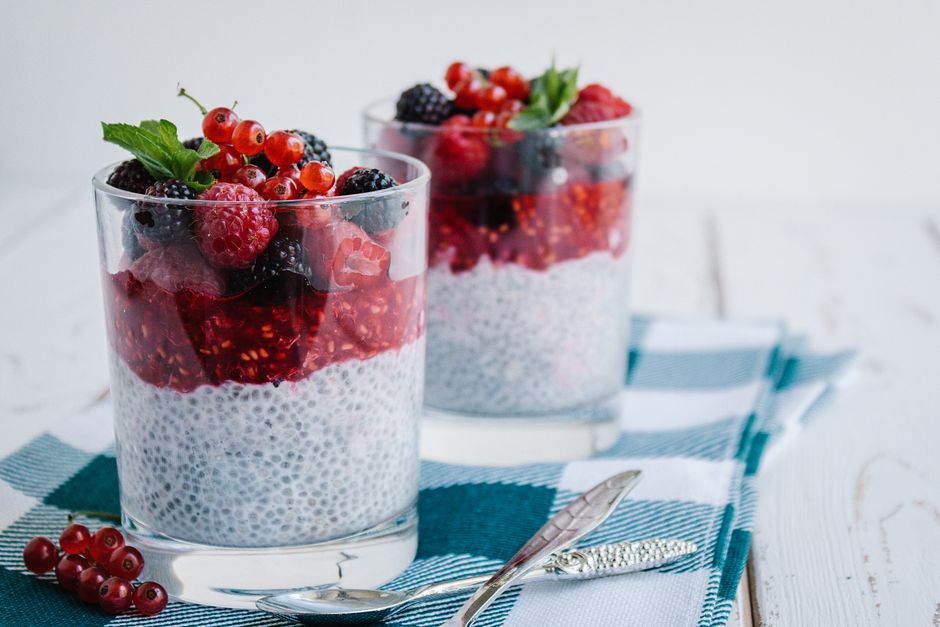
When the pudding has reached the desired texture, it is ready to serve. At this point, the berries can be added. They can be layered with the pudding, folded in, or used as a topping. If using frozen berries, they can be added directly or thawed first. Some may prefer to sweeten the pudding before refrigeration, while others may add sweetener at serving time. The timing of adding sweeteners can affect how well they dissolve and distribute throughout the pudding.
Adjusting Sweetness and Texture
Sweetness is a highly personal preference. The natural sweetness of oat milk and berries may be sufficient for some, while others may prefer a sweeter pudding. Common sweeteners include maple syrup, honey, agave nectar, or dates. The amount needed depends on the sweetness of the oat milk and berries, as well as individual taste. It is often recommended to start with a small amount of sweetener, taste the mixture, and adjust gradually. Liquid sweeteners blend more easily than granulated ones, which may require dissolving in a small amount of warm liquid first.
Texture can be adjusted by altering the chia-to-liquid ratio or by changing the type of liquid. For a thicker pudding, increase the amount of chia seeds or reduce the liquid. For a thinner consistency, add more oat milk. The soaking time also plays a role: longer soaking generally leads to a thicker, more uniform pudding. Some people prefer a smoother texture and may blend the soaked pudding in a blender after it has set. This can break down the chia seeds and create a creamier, more homogeneous consistency. However, blending may reduce the distinct texture of the seeds.
Other ingredients can also influence texture. For example, adding yogurt or a plant-based yogurt alternative can make the pudding creamier. Mashed banana or applesauce can add sweetness and moisture. However, these additions may alter the balance of liquid and require adjustments to the chia seed quantity. It is helpful to keep notes on variations to replicate or modify in the future. The goal is to achieve a pudding that suits individual preferences for sweetness and mouthfeel.
Make-Ahead and Storage Considerations
One of the advantages of chia pudding is that it can be prepared in advance. It stores well in the refrigerator for several days, making it a convenient option for busy mornings. To store, keep the pudding in an airtight container in the refrigerator. It is best to add fresh berries just before serving, as they can become soft and release juices over time. If preparing individual servings, consider layering the pudding and berries in jars or containers for grab-and-go convenience.
When making a larger batch, it is important to scale the ingredients proportionally. However, the container size should be large enough to allow for stirring and expansion. The pudding will thicken further as it sits, so it may be necessary to stir in a little extra oat milk before serving if it has become too dense. The pudding can also be frozen, though the texture may change upon thawing. If freezing, it is advisable to portion it into individual containers and thaw in the refrigerator overnight.
Food safety practices should be followed, such as using clean utensils and containers, and keeping the pudding refrigerated until ready to eat. The presence of fresh berries can introduce moisture and potentially affect shelf life, so it is best to consume the pudding within a few days. As with any perishable food, sensory cues such as smell, appearance, and texture can help determine if it is still suitable to eat.
Variations and Serving Suggestions
While the basic recipe combines chia seeds, oat milk, and berries, there are many ways to vary the flavor and presentation. Different types of milk, such as almond, soy, or coconut milk, can be used in place of oat milk. Each will impart its own flavor and consistency. Spices like cinnamon, nutmeg, or cardamom can be added for warmth. Extracts such as vanilla or almond can enhance the aroma. Cocoa powder or matcha powder can create a chocolate or green tea variation.
Berries can be substituted or combined with other fruits, such as sliced bananas, diced mango, or pomegranate seeds. Nuts, seeds, or granola can be added as toppings for crunch. A drizzle of nut butter or a sprinkle of coconut flakes can add richness. These additions may influence the overall nutritional profile and texture, so adjustments may be needed. For a dessert-like treat, a small amount of dark chocolate shavings or a dollop of plant-based whipped cream can be considered.
Serving suggestions include enjoying the pudding as a standalone breakfast, as a snack, or as a light dessert. It can be served in a bowl, a glass, or a mason jar. Layering with berries and other toppings can create an appealing presentation. The neutral base of the pudding allows for creativity while maintaining a balance of flavors and textures. As with any recipe, personal experimentation and adjustment are encouraged to achieve the desired result.