Decadent Avocado Chocolate Mousse
Introduction to Avocado Chocolate Mousse
Avocado chocolate mousse is a dessert that combines ripe avocados, cocoa powder, and maple syrup to create a smooth and rich treat without the need for baking. This approach to dessert-making has gained attention among those exploring alternative ingredients and simpler preparation methods. The concept centers on using the natural creaminess of avocados to achieve a mousse-like texture, while cocoa provides the chocolate flavor and maple syrup adds sweetness. The entire process can be completed in about ten minutes, making it a convenient option for various occasions.
Understanding the role of each ingredient helps in appreciating how they contribute to the final product. Avocados, when ripe, offer a mild flavor and a velvety consistency that can mimic traditional dairy-based mousse. Cocoa powder delivers a deep chocolate taste, and maple syrup serves as a liquid sweetener that blends easily. This combination results in a dessert that is both decadent and relatively simple to prepare. Many home cooks find this method appealing because it avoids the use of eggs, refined sugar, and baking, aligning with certain dietary preferences or restrictions.
In the following sections, we will explore the key components, the preparation steps, possible variations, and considerations for serving and storage. The goal is to provide a comprehensive overview that allows for informed decision-making and experimentation in the kitchen. Whether you are a seasoned cook or a beginner, this guide aims to demystify the process and highlight the flexibility of this dessert concept.
Key Ingredients and Their Functions
The success of avocado chocolate mousse depends largely on the quality and proportions of its three main ingredients: ripe avocados, cocoa powder, and maple syrup. Each plays a distinct role in texture, flavor, and overall appeal. Ripe avocados are essential for achieving the desired creamy consistency. They should be soft to the touch and free of brown spots or stringy fibers. The variety of avocado can also influence the outcome; for example, Hass avocados are often preferred for their rich, nutty flavor and smooth flesh. When selecting avocados, look for ones that yield slightly to gentle pressure, indicating ripeness.
Cocoa powder contributes the chocolate flavor and contributes to the color of the mousse. Unsweetened cocoa powder is typically used, as it allows the sweetness level to be controlled via the maple syrup. Dutch-processed cocoa powder may offer a darker color and a milder flavor, while natural cocoa powder tends to be more acidic and intense. The choice between the two can affect the final taste profile, so experimenting with different types can be part of the process. It is important to sift the cocoa powder before mixing to avoid lumps and ensure even distribution.
Maple syrup acts as the primary sweetener and also adds moisture. It is a liquid sweetener that blends seamlessly with the avocado and cocoa, creating a smooth mixture. The grade of maple syrup can vary; darker grades tend to have a more robust flavor, while lighter grades are more subtle. The amount used can be adjusted based on personal preference and the sweetness of the avocados. Some recipes also include a pinch of salt to balance flavors or a splash of vanilla extract for added depth. These optional additions can enhance the overall taste but are not strictly necessary.
Step-by-Step Preparation Method
Preparing avocado chocolate mousse is a straightforward process that requires minimal equipment and time. The following steps outline a general method that can be adapted to individual tastes and available tools. The key is to work with ripe ingredients and to blend thoroughly for a smooth texture.
Begin by gathering all ingredients: two ripe avocados, 1/4 to 1/2 cup of unsweetened cocoa powder, 1/4 to 1/2 cup of maple syrup, and optional additions such as a pinch of salt or a teaspoon of vanilla extract. The exact quantities can be adjusted after tasting. It is advisable to start with lesser amounts of cocoa and syrup and add more as needed, since avocados vary in size and flavor.
Next, cut the avocados in half, remove the pits, and scoop the flesh into a food processor or high-speed blender. Add the cocoa powder, maple syrup, and any optional ingredients. Blend on high speed until the mixture is completely smooth, scraping down the sides as necessary. This may take a minute or two, depending on the power of the appliance. The goal is to achieve a creamy, uniform texture without any lumps of avocado or cocoa.
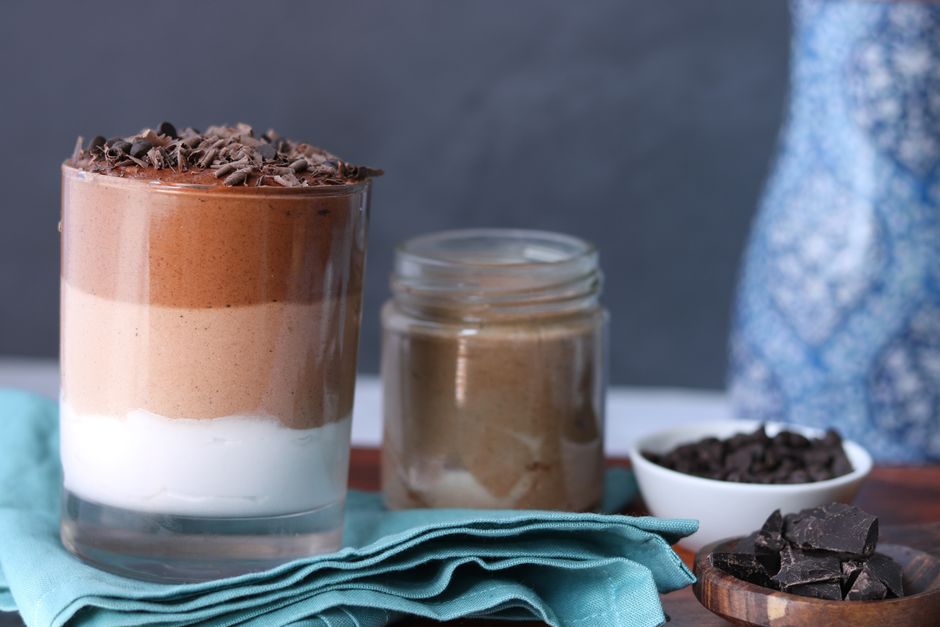
Once blended, taste the mousse and adjust the sweetness or chocolate intensity by adding more maple syrup or cocoa powder. Blend again briefly to incorporate. Transfer the mousse to serving dishes and refrigerate for at least 30 minutes to allow it to set and chill. While it can be served immediately, chilling enhances the flavor and texture. The mousse can be garnished with fresh berries, coconut whipped cream, or a sprinkle of cocoa powder before serving.
Variations and Customization Options
One of the advantages of avocado chocolate mousse is its versatility. The base recipe can be modified in numerous ways to suit different dietary needs and flavor preferences. For those following a vegan diet, the recipe is naturally suitable as it contains no animal products. For a keto-friendly version, maple syrup can be replaced with a low-carb sweetener such as erythritol or stevia, though this may affect the texture. It is important to note that alternative sweeteners may have different levels of sweetness and may require adjustment.
Flavor variations can be achieved by adding different extracts or spices. A teaspoon of espresso powder can intensify the chocolate flavor, while a pinch of cinnamon or cayenne pepper can add a warm kick. For a minty twist, a few drops of peppermint extract can be blended in. Nut butters, such as almond or peanut butter, can be added for extra richness and protein. However, adding nut butters may thicken the mousse, so additional liquid such as plant-based milk might be needed to achieve the desired consistency.
Texture can also be varied. For a lighter mousse, whipped coconut cream can be folded into the blended mixture. For a denser, fudgier dessert, reduce the amount of maple syrup or add a tablespoon of melted coconut oil. The type of cocoa powder used can also influence texture; Dutch-processed cocoa tends to be smoother, while natural cocoa may be slightly grainier. Experimenting with different combinations allows for a personalized dessert that aligns with individual preferences.
Serving and Storage Considerations
Avocado chocolate mousse is best served chilled, as this enhances its creamy texture and allows the flavors to meld. It can be portioned into small bowls, ramekins, or glasses for an elegant presentation. Garnishes such as fresh raspberries, sliced strawberries, or a dollop of coconut whipped cream can add visual appeal and complementary flavors. A sprinkle of sea salt or cocoa nibs can provide a contrasting crunch. When serving, it is helpful to consider the occasion and the preferences of guests, as the mousse can be a standalone dessert or part of a larger spread.
Storage of avocado chocolate mousse requires attention to maintain freshness. Due to the perishable nature of avocados, the mousse should be stored in an airtight container in the refrigerator and consumed within two to three days. Over time, the color may darken due to oxidation, but this does not necessarily indicate spoilage. To minimize oxidation, press plastic wrap directly onto the surface of the mousse before sealing the container. Alternatively, a thin layer of lemon juice can be brushed on top, though this may alter the flavor. Freezing is not recommended, as the texture may become grainy upon thawing.
When preparing for a gathering, the mousse can be made ahead of time and kept refrigerated until serving. It is advisable to taste again after chilling, as the sweetness and chocolate intensity may become more pronounced. If the mousse becomes too thick after refrigeration, a small amount of plant-based milk can be stirred in to loosen it. These considerations help ensure a pleasant experience for both the preparer and the guests.
Conclusion
Avocado chocolate mousse represents a creative and accessible approach to dessert-making that bypasses baking and traditional ingredients. By understanding the roles of ripe avocados, cocoa powder, and maple syrup, individuals can prepare a decadent treat in a short amount of time. The recipe is flexible, allowing for numerous variations to accommodate different dietary needs and flavor preferences. While the process is simple, attention to ingredient quality and proper storage can contribute to a satisfying outcome. As with any culinary endeavor, results may vary based on factors such as ingredient ripeness, equipment, and personal taste. This overview aims to provide a foundation for experimentation and enjoyment.