Vegan Caesar Salad with Cashew Dressing
The classic Caesar salad has long been a staple in American dining, known for its creamy dressing and savory notes. However, traditional recipes often rely on ingredients such as anchovies, eggs, and Parmesan cheese, which may not align with a plant-based lifestyle. This article explores a vegan interpretation that maintains the characteristic richness and depth of flavor while omitting animal products. The approach centers on two key components: a creamy cashew-based dressing and the strategic use of capers to introduce umami complexity.
Cashews, when soaked and blended, create a smooth, velvety texture that mimics the mouthfeel of traditional Caesar dressing. Capers, which are actually pickled flower buds, contribute a briny, savory quality that can replace the umami typically provided by anchovies. The combination results in a dressing that is both satisfying and entirely dairy-free. The entire process, from preparation to serving, can be completed in about 20 minutes, making it suitable for a quick lunch or a light dinner. This article outlines the rationale behind each ingredient, the steps for preparation, and considerations for variations.
Understanding the role of each component allows for adjustments based on personal preference or dietary needs. Whether you are a long-time vegan or simply exploring plant-based options, this recipe offers a familiar flavor profile with a compassionate twist. The following sections will delve into the ingredients, the method, potential variations, and serving suggestions, all while maintaining a neutral and informative tone.
Understanding the Ingredients and Their Functions
The foundation of this vegan Caesar salad lies in its dressing, where cashews serve as the primary emulsifier and thickener. When raw cashews are soaked in water until softened, they become pliable and blend into a creamy liquid. This base provides a neutral canvas that absorbs other flavors, such as garlic, lemon juice, and mustard. The resulting texture is remarkably similar to traditional mayonnaise or yogurt-based dressings, without any dairy or eggs. Cashews also contribute a subtle sweetness and a rich mouthfeel that helps the dressing cling to the lettuce leaves.
Capers play a crucial role in building the umami profile of the dressing. These small, green buds are typically pickled in brine, giving them a salty, tangy, and slightly floral taste. In traditional Caesar dressing, anchovies provide a deep, savory note that many find essential. Capers offer a comparable umami punch, albeit with a different flavor nuance. When chopped or blended into the dressing, they distribute their briny essence evenly, creating a complex taste that balances the creaminess of the cashews. Additionally, the brine from the caper jar can be used to adjust the consistency and seasoning of the dressing.
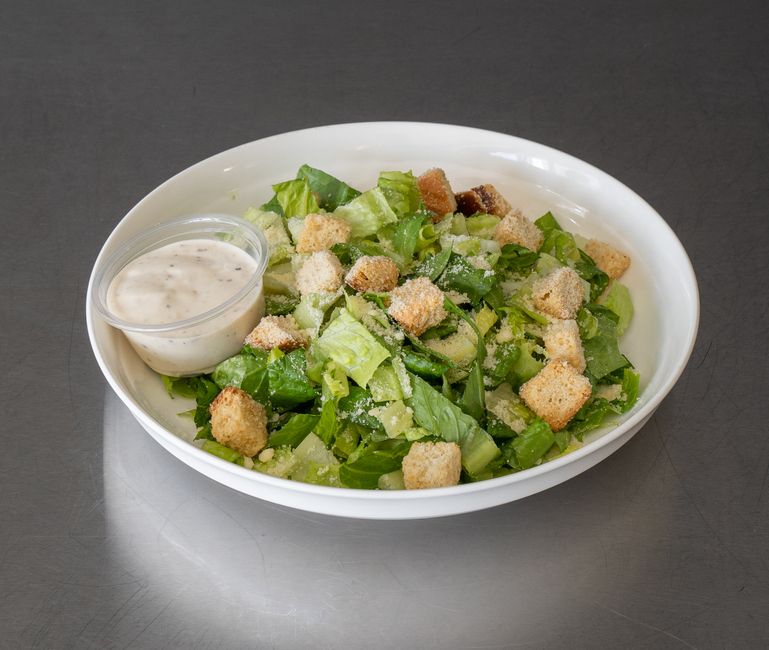
Other ingredients in the dressing include lemon juice, which adds acidity and brightness, and Dijon mustard, which acts as an additional emulsifier and contributes a mild tang. Garlic, either raw or roasted, provides a pungent backbone that is characteristic of Caesar dressings. Nutritional yeast is often included to impart a cheesy, umami flavor that mimics Parmesan. A touch of salt and black pepper rounds out the seasoning. For the salad itself, crisp romaine lettuce is the traditional choice, offering a sturdy crunch that holds up well to the thick dressing. Optional toppings such as croutons, vegan Parmesan, or extra capers can add texture and visual appeal.
Step-by-Step Preparation
Preparing this vegan Caesar salad is a straightforward process that can be completed in about 20 minutes, provided the cashews have been soaked beforehand. Soaking cashews for at least 2 hours in cold water, or 15 minutes in hot water, is necessary to achieve a smooth dressing. If time is limited, quick-soaking methods can be used, but the texture may be slightly less silky. Once soaked, drain and rinse the cashews thoroughly. Meanwhile, wash and dry the romaine lettuce, then chop or tear it into bite-sized pieces. The lettuce should be dry to ensure the dressing adheres properly.
To make the dressing, combine the soaked cashews, capers, lemon juice, Dijon mustard, garlic, nutritional yeast, salt, and pepper in a blender. Add a small amount of water or caper brine to facilitate blending. Blend on high speed until the mixture is completely smooth, scraping down the sides as needed. The dressing should be thick but pourable; adjust the consistency by adding more liquid a tablespoon at a time. Taste and adjust seasoning, adding more lemon juice for acidity or salt for overall balance. The dressing can be used immediately or stored in an airtight container in the refrigerator for up to five days.
In a large bowl, combine the chopped romaine lettuce with the desired amount of dressing. Toss gently until all leaves are evenly coated. Add croutons if using, and toss again briefly. Serve immediately, garnished with additional capers, vegan Parmesan, or a sprinkle of black pepper. The salad is best enjoyed fresh, as the lettuce may wilt if left to sit with the dressing for too long. For a complete meal, consider adding grilled or baked plant-based protein, such as chickpeas or tofu, but this is optional and not required for the classic flavor.
Variations and Customization
While the core recipe provides a balanced flavor profile, several variations can accommodate different dietary preferences or ingredient availability. For a nut-free version, sunflower seeds or hemp hearts can replace cashews, though the texture may be slightly different. Sunflower seeds, when soaked and blended, create a creamy base that is similar but with a more pronounced flavor. Hemp hearts do not require soaking and blend into a slightly grainy but still cohesive dressing. These alternatives are useful for those with nut allergies or sensitivities.
The umami element can be adjusted by varying the amount or type of capers. If capers are not available, chopped green olives or a small amount of miso paste can provide a similar savory note. Miso paste, in particular, adds a fermented depth that complements the cashews well. However, start with a small amount and adjust to taste, as miso can be quite salty. For a spicier kick, add a pinch of cayenne pepper or a dash of hot sauce to the dressing. Fresh herbs such as dill or parsley can also be blended in for a different flavor profile.
The salad base itself can be modified. While romaine is traditional, other sturdy greens like kale or iceberg lettuce can be used. Kale holds up well to heavy dressings and provides a hearty chew, but it may benefit from massaging with a little olive oil and salt before tossing. For a more substantial salad, add cherry tomatoes, cucumber slices, or avocado chunks. These additions contribute freshness and contrast to the creamy dressing. Croutons can be store-bought or homemade; for a gluten-free option, use gluten-free bread or omit them altogether.
Serving Suggestions and Storage
This vegan Caesar salad is versatile and can be served as a side dish or a main course. As a side, it pairs well with grilled vegetables, plant-based burgers, or a bowl of soup. For a main course, top with roasted chickpeas, tempeh, or a piece of grilled tofu to add protein and make it more filling. The salad can also be served in wraps or used as a topping for baked potatoes. When packing for lunch, keep the dressing separate and toss just before eating to prevent sogginess.
Leftover dressing should be stored in an airtight container in the refrigerator and consumed within five days. It may thicken upon chilling; simply whisk in a little water or lemon juice to thin it out. The salad itself is best consumed immediately after tossing, as the lettuce will begin to wilt. If you anticipate leftovers, consider storing the undressed lettuce and dressing separately. The dressing can also be used as a dip for raw vegetables or as a spread on sandwiches, offering flexibility beyond the salad bowl.
For those who meal prep, the dressing can be made in advance and kept refrigerated, while the lettuce can be washed, dried, and stored in a sealed container with a paper towel to absorb excess moisture. Croutons should be stored separately to maintain their crunch. Assembling the salad then takes only a few minutes. This approach is convenient for busy weekdays when a quick, nutritious meal is desired. The recipe aligns with the values of Green Plate, which emphasizes plant-based options that are both flavorful and accessible.
Frequently Asked Questions
Can I make this salad without a high-speed blender? Yes, a regular blender or food processor can work, but you may need to soak the cashews longer and blend for a longer time to achieve a smooth texture. If your blender struggles, add more liquid gradually and scrape down the sides frequently. For best results, a high-speed blender is recommended, but it is not mandatory. Alternatively, you can use pre-soaked cashew butter as a shortcut, though the flavor may differ slightly.
How long does the dressing last in the refrigerator? The dressing typically lasts about five days when stored in an airtight container. It is important to check for any off smells or signs of spoilage before use. The dressing may separate slightly; simply stir or shake before using. If you used fresh garlic, the flavor may become more pronounced over time, so you might want to consume it within three days for optimal taste.
Is this recipe gluten-free? The base recipe is naturally gluten-free, as it does not contain wheat products. However, if you add croutons, ensure they are made from gluten-free bread. Additionally, check the labels of any store-bought ingredients, such as mustard or nutritional yeast, to confirm they are gluten-free. Some brands may include additives that contain gluten. Always verify to be safe.
Can I use a different type of nut? Cashews are preferred for their neutral flavor and creamy texture. However, blanched almonds or macadamia nuts can be used as substitutes. Almonds may require longer soaking and blending, and the resulting dressing might have a slightly grainy texture. Macadamia nuts are creamier but more expensive. Experiment with what you have on hand, adjusting the liquid accordingly.